
- Posted on
- • Domains
How to Choose the Perfect Domain Name for Your Business: 7 Questions Before You Register
- Author
-
-

- User
- techub.digital editors
- Posts by this author
- Posts by this author
-

You opened the registrar's website, typed the name you had in mind, and got that screen: "available!" Then the doubt hits. Is this really the right name? Will it still make sense three years from now?
Your domain name is the one part of your website you practically cannot change later. Switching hosting is easy. Migrating platforms is painful but doable. Changing your domain after you have built SEO, customers, and history? That hurts.
So before you click "register", it is worth asking seven simple questions. None of them are hard to answer. But most people never stop to think about them.

Question 1: Can someone say this name out loud without spelling it?
Simple test: say your domain name to someone over the phone, without spelling it. Can they type it directly into a browser?
If the answer is no, you have a problem. Names with unusual spellings, creative abbreviations, or combinations that look great on screen but sound confusing out loud are classic traps.
Names that pass the test: freshbakery.com, marcoscuts.com, techsimple.io
Names that fail: xprsdelivery.com (how do you say that?), mnmdesign.com (three letters with no vowels), kzaoofficial.com (three ways to spell it wrong)
The golden rule: if you have to spell it, it is either too long or too clever.
Question 2: Is it short enough?
There is no magic number, but domains under 15 characters (without the extension) are easier to remember, type, and display in full on search results.
That does not mean longer names cannot work. artisancookingwithanne.com might work perfectly for a local cooking class with loyal regulars who already know the name. But for a brand that wants to grow, every extra character is friction.
Before settling on a long name, ask: is there a shorter version that still makes sense? freshbakerybyanne can become bakeryanne. riobeachphotography can become riophotos. It is worth taking the time to think.
Question 3: Will this name still make sense in five years?
This is the most underestimated mistake. A lot of people register a domain that describes what the business does today, without thinking about what it might become.
iphone-repair-miami.com is a real example of a domain with a longevity problem. It works while you only fix iPhones in Miami. What if you expand to other devices? Other cities? The whole country?
Highly descriptive names trap you. Brand names free you.
That does not mean you need to invent a meaningless word like most startups do. But it is worth asking: if I grow or pivot over the next year, does this name still represent the business?
Question 4: Does it have hyphens or numbers? Are they actually necessary?
Hyphens and numbers create confusion. web-design-miami.com or agency10years.com both create doubt at the moment of typing: is there a hyphen or not? Is it the number 10 or the word "ten"?
In SEO terms, hyphens are technically accepted by Google and do not directly hurt rankings. But they hurt the experience of anyone typing the address by hand, which indirectly matters for traffic.
The practical rule is simple: if the name only works with a hyphen, it is probably two words that have not yet become one brand. Try to consolidate before using the hyphen as a crutch.
Question 5: Is the name available on social media?
Your domain and your Instagram handle need to be consistent. When a customer hears your brand name, they will search social media before visiting your website. If the handle is completely different from the domain, you lose that connection.
Before committing to any domain, check the availability of the same name (or something very close) on at least Instagram, TikTok, and YouTube. Tools like Namechk search across multiple platforms at once.
If the ideal handle is already taken, it is worth reconsidering the domain name before committing, not after.
Question 6: Does the name include a relevant keyword, or is it pure brand?
This is the most debated question in domain SEO. The honest answer is that having a keyword in your domain helps, but it is not required and does not replace good content.
A domain like miamiflooringpros.com carries an initial relevance signal for flooring-related searches in Miami. But a domain like tileworks.com can rank in the same positions if the content is better.
The practical rule for local or niche businesses: if you can fit the main keyword into the name naturally and without forcing it, it is worth doing. familylawgroup.com makes sense. affordablefamilylawattorneymiami.com does not.
For brands with growth ambitions, a brand name beats a keyword domain in the long run.

Question 7: Which extension fits your situation?
This question deserves attention because the answer depends on your context.
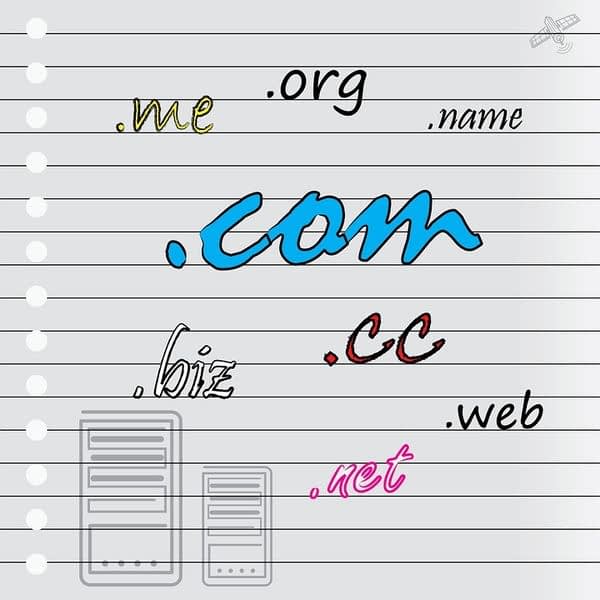
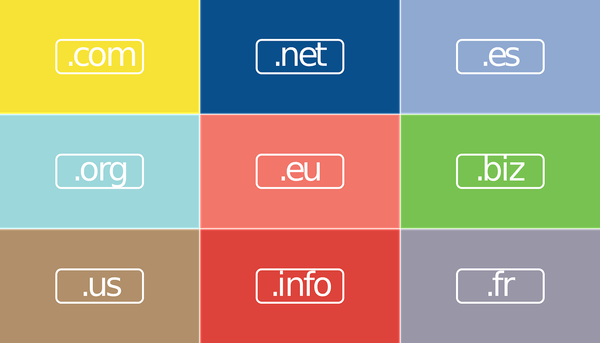
.com is the global standard. It carries the most recognition worldwide and requires no extra configuration for most use cases. Cost: around $9 to $11/year at international registrars like Porkbun or Cloudflare Registrar.
Country-code extensions (.co.uk, .de, .com.br) make sense if your audience is local and you want Google to automatically associate your site with that country. No manual configuration needed in Google Search Console. Slightly cheaper in some markets.
.io, .ai, .app are fine for SEO (Google treats them as generic, not country-specific) and work well for tech products and startups. Just know that .io specifically carries a long-term registry risk tied to a territorial dispute over the British Indian Ocean Territory.
If your budget allows, register both the .com and your country extension and redirect one to the other with a 301. It protects your brand and costs less than $30/year for the peace of mind.
Want to compare domain prices across the major registrars before you register?
The full checklist before you register
Before clicking "register", run through each item:
- [ ] Can I say the name over the phone without spelling it?
- [ ] Is it under 15 characters (without the extension)?
- [ ] Does it still make sense if the business grows or pivots?
- [ ] No unnecessary hyphens or numbers?
- [ ] Is the same name (or close to it) available on Instagram and TikTok?
- [ ] If there is a keyword, does it fit naturally?
- [ ] Is the extension (.com or ccTLD) aligned with the target audience?
If you answered yes to all of them, register with confidence. If one or two were no, it is worth considering whether a better version of the name exists before committing.
One last thing
The perfect name is sometimes already taken. In those cases, there are two reasonable paths: adapt the name in a way that still works well (shorter version, a light suffix like "hq", "app", or "co"), or buy the domain from whoever owns it.
Domain marketplaces like Sedo and Dan.com list domains available for purchase. Some are expensive. Others are listed at reasonable prices because the owner never used them. Worth a look before giving up on the ideal name.
A domain is the smallest cost in an online business. But it is the decision that hurts the most when made in a hurry.
Primary Keywords: how to choose a domain name, domain name for business, domain name SEO, best domain name, register domain name